New Science Fiction Adventures: From Mars to AI Hauntings
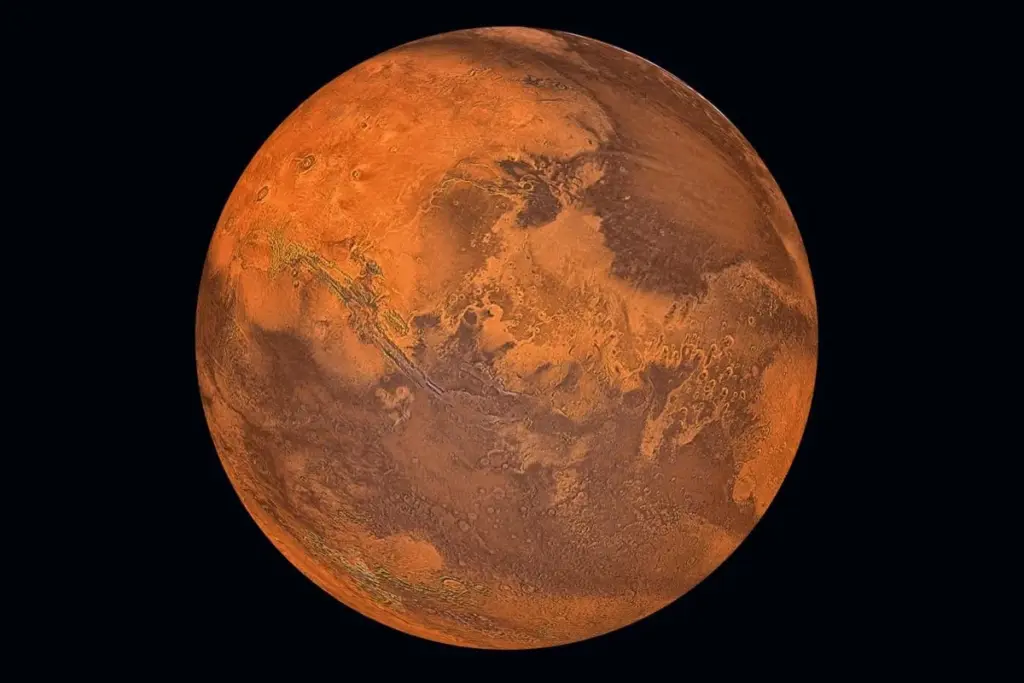
The allure of Mars continues to captivate readers, with Kim Stanley Robinson’s “Red Mars” currently being a highlight of the New Scientist Book Club’s April selection. My own anticipation is high for Charlotte Robinson’s upcoming thriller, “Mars One.” This month’s science fiction offerings span a range of genres, from space-based horror by S. A. Barnes to a unique take on resurrected Neanderthals in Douglas Preston and Aletheia Preston’s work. Max Lury also ventures into intriguing territory with a narrative exploring ghosts within AI-generated videos.
Mars One by Charlotte Robinson
Charlotte Robinson’s “Mars One” presents a near-future space thriller entwined with a mysterious disappearance in Hong Kong. A programmer vanishes, leaving behind only a puzzling warning. Simultaneously, the spaceship Argo journeys towards Mars. As the mission progresses, the crew discovers they are being targeted by sabotage. The narrative poses a central question: how do these seemingly disparate storylines connect? The publishers draw comparisons between “Mars One” and acclaimed works like Andy Weir’s “The Martian” and Terry Hayes’s espionage thriller “I Am Pilgrim.” This comparison suggests a potentially compelling blend of scientific plausibility and thrilling suspense.
Upcoming Sci-Fi Releases in 2026
The year 2026 promises a wealth of new science fiction literature. Anticipated releases include the latest novel from Ann Leckie, the debut work from Neil Jordan, and further contributions from Adrian Tchaikovsky. According to sci-fi columnist Emily H. Wilson, these forthcoming books mark an exciting period for the genre.
Dead Silence by S. A. Barnes
In S. A. Barnes’s “Dead Silence,” Claire and her crew, specializing in beacon repair, intercept an unusual distress signal. Their investigation leads them to a luxury space-liner that disappeared two decades prior during its inaugural journey through the solar system. Aboard the vessel, named Aurora, an unsettling atmosphere prevails. Whispers echo in the darkness, and chilling messages are scrawled in blood on the walls. This novel taps into the subgenre of space horror, a particular interest for many readers.
Rabbit Test and Other Stories by Samantha Mills
“Rabbit Test and Other Stories” by Samantha Mills is a diverse collection of speculative fiction. The stories navigate between science fiction, fantasy, and literary fiction. Themes explored include initial encounters with alien life, a fisherwoman who travels through time, and the emergence of a new consciousness intent on exploring the universe. Notably, the collection features Mills’s award-winning story “Rabbit Test,” which garnered the Nebula, Locus, and Sturgeon awards.
Sleeper Straddle edited by George R. R. Martin
Edited by George R. R. Martin, the author of “Game of Thrones,” “Sleeper Straddle” features a collection of stories set within the “Wild Cards” universe. This world has been devastated by an alien virus that causes unpredictable outcomes: death, the acquisition of superpowers, or significant mutations. The collection includes contributions from writers such as Cherie Priest and Walter Jon Williams. These particular narratives center on the character Croyd Crenson, who finds himself manifesting in six distinct forms.
Paradox by Douglas Preston and Aletheia Preston
Douglas Preston and his daughter Aletheia Preston present “Paradox,” a follow-up to Preston’s earlier novel, “Extinction.” That previous work, described as a “Jurassic Park-ish thriller,” focused on the reintroduction of long-extinct creatures into a wildlife park. “Paradox” expands on this premise with a narrative involving an alien artifact purportedly capable of world-altering discovery, according to UFO researchers. The plot also incorporates a fanatical secret society and the reappearance of resurrected Neanderthals from the previous book, who exhibit hostility towards modern humans. The authors anticipate a high level of engagement with these elements.
The Faith of Beasts by James S. A. Corey
This novel, “The Faith of Beasts,” is the second installment in the “Captive’s War” series by James S. A. Corey, author of “The Expanse.” Positioned as a space opera, the story depicts humanity’s struggle for survival against the formidable Carryx empire. The narrative follows Dafyd Alkhor, a human captive, and the Swarm, an operative of the Carryx’s adversaries who seeks to dismantle the empire.
The Body Builders by Albertine Clarke
Albertine Clarke’s novel, “The Body Builders,” employs a science fiction concept to explore themes of isolation. The protagonist, Ada, lives a solitary existence in London. She experiences a connection upon meeting Atticus, yet her disconnection from the wider world intensifies. Ultimately, her bond with both society and her own physical form deteriorates, leading Ada to find herself in a new, artificial environment known as The Facility. The question arises whether this environment was exclusively designed for her.
Permanence by Sophie Mackintosh
“Permanence” by Sophie Mackintosh follows her previous novel, “The Water Cure,” a dark fable set on an island with potentially contaminated waters. While bordering on science fiction, “The Water Cure” did not fully embrace the genre. “Permanence” appears to tread a similar path. The story follows Clara and Francis, whose clandestine affair conducted in hotel rooms takes an unexpected turn when they awaken in an unfamiliar bedroom. They discover they are in a city populated solely by other individuals engaged in infidelity, where they can openly live as a couple. However, any contact with the outside world is rendered impossible.
Event Horizon by Balsam Karam, translated by Saskia Vogel
Published by Fitzcarraldo, a literary independent press known for its association with Nobel laureates, “Event Horizon” by Balsam Karam follows the story of 17-year-old Milde. Milde rebels against governmental injustices that lead to the banishment of mothers and daughters from society. Following her imprisonment and torture, she is presented with a choice: a public execution or participation in an experimental mission into space, specifically towards a black hole designated as the Mass.
Anti-State by Allen Stroud
Allen Stroud’s “Anti-State” is a standalone narrative set within the universe of his “The Fractal” series. The story opens in 2121 AD, three years after the initial Mars conflict. As the Martian colony endeavors to recover, vigilante turned revolutionary Magnus Sirocco finds a new cause. Meanwhile, Peter Iskander leads a religious mission. Commodore Ellisa Shann becomes embroiled in a dangerous confrontation when a ship is stolen.
New Science Fiction for March 2026
March 2026 brings significant science fiction releases, including the latest from Adrian Tchaikovsky’s “Children of Time” series. The month also features a speculative reimagining of “Moby-Dick” and the reissue of a classic work from 1936.
No Ghosts by Max Lury
Max Lury’s “No Ghosts” explores intriguing themes of technology and the supernatural. Harlow searches for her missing friend, Annie, and in doing so, discovers fragments of deceased individuals within AI-generated videos. Concurrently, Kieran, also on Annie’s trail, encounters a community actively seeking missing ghosts. The publisher suggests the novel will examine how haunting might manifest in new ways as technological advancements emerge. While not strictly traditional science fiction, the concept promises an interesting narrative.
Metro 2035 by Dmitry Glukhovsky
“Metro 2035” marks the conclusion of the Metro trilogy, the series that inspired the popular Metro video games. Set twenty years after a world war decimated much of humanity, the survivors sought refuge within Moscow’s subway system. The protagonist, Artyom, endeavors to guide his people back to the surface, searching for signs of life above ground.
The Many by Sylvain Neuvel
Sylvain Neuvel’s “The Many,” a first-contact story, follows five individuals in the small Michigan city of Marquette. They discover their minds are merging as a phenomenon “larger and stranger than they could ever have imagined” begins to unfold.